A practical guide to the five essential digital skills every young person needs today, from media literacy and cybersecurity to content creation, and why equal access to digital education matters more than ever.

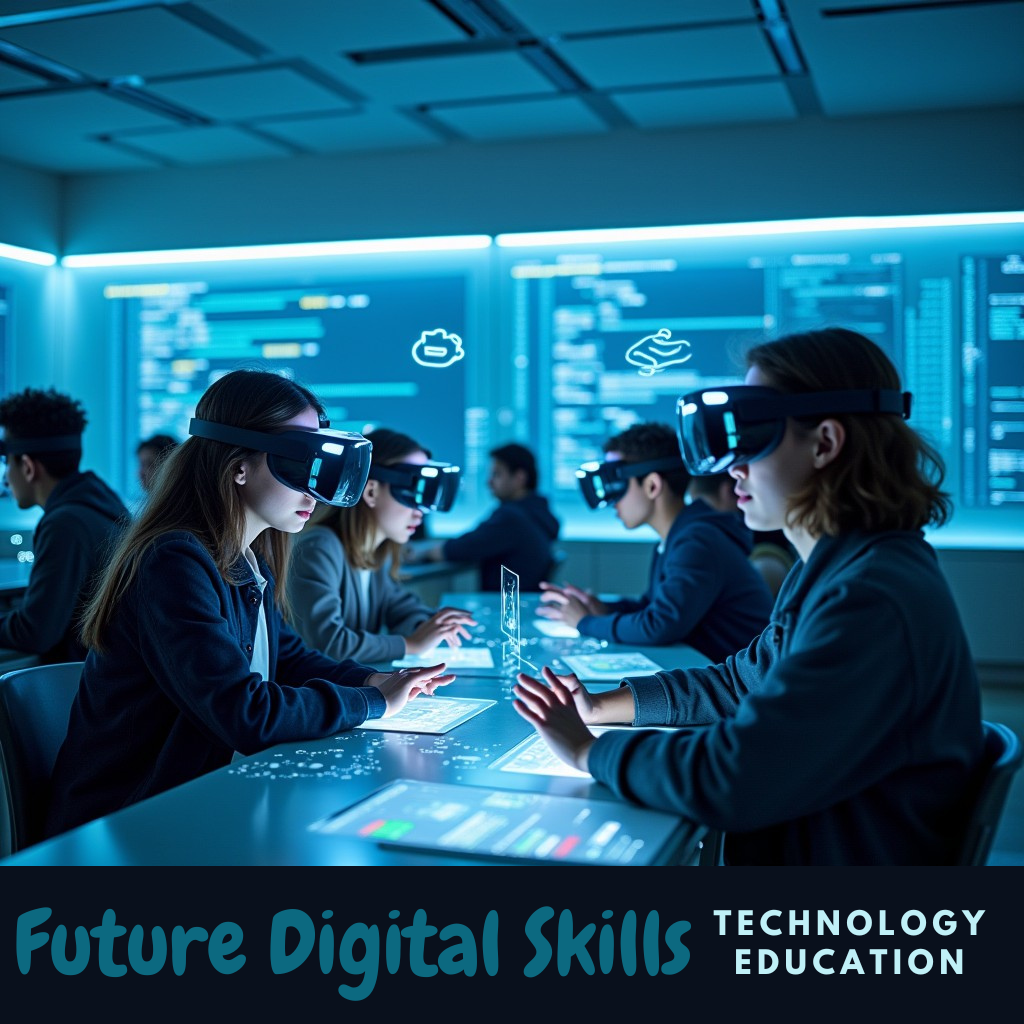
The digital world is evolving faster than ever, and for young people, keeping up is no longer optional — it’s essential. Whether you’re a student, a young professional, or just someone navigating daily life online, these five skills can make a real difference.
1. Media Literacy Not everything you read online is true. Knowing how to identify reliable sources, spot misinformation, and think critically about the content you consume is one of the most important skills of our time.
2. Basic Coding & Digital Tools You don’t need to become a developer, but understanding how websites, apps, and digital platforms work gives you a huge advantage. Tools like Canva, Notion, or even basic HTML can open doors.
3. Digital Communication Emails, online meetings, social media — how you communicate online shapes how others perceive you. Clear, professional, and thoughtful digital communication is a skill that sets people apart.
4. Cybersecurity Awareness Strong passwords, two-factor authentication, recognizing phishing attempts — basic cybersecurity habits protect you, your data, and your community.
5. Content Creation From writing to video to podcasts — the ability to create and share ideas online is increasingly valuable in every field, not just media.
Why These Skills Matter More Than Ever
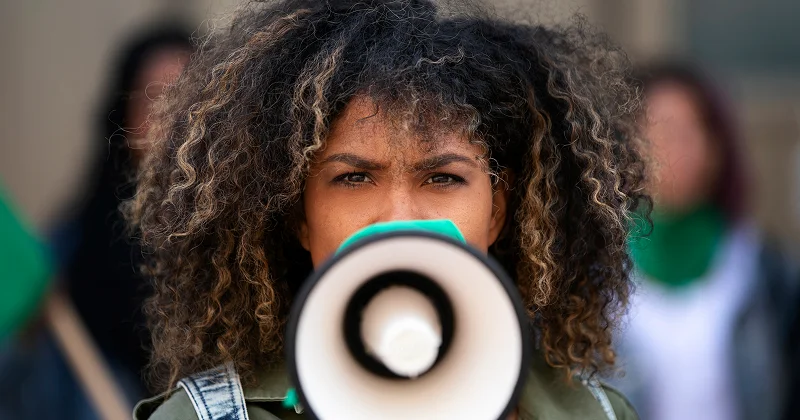
We live in a world where a student in Bitola can collaborate with peers in Madrid, where a young entrepreneur can launch a business from their bedroom, and where a teenager with a microphone can start conversations that reach thousands of people. Digital skills are no longer just tools for tech professionals — they are the foundation of modern participation in society.
Yet access to quality digital education remains unequal. Many young people, especially those from smaller cities or with fewer opportunities, never get the chance to develop these competencies in a structured way. That gap has real consequences — for employment, for civic engagement, and for self-confidence.
This is exactly why initiatives like digital literacy programs, youth media projects, and European cooperation projects such as Erasmus+ are so important. They bring structured learning, real tools, and genuine opportunities to young people who might otherwise be left behind.
The good news? These skills can be learned at any age, with the right support and the right environment. And the earlier young people start, the more confident and capable they become — not just online, but in every area of life.